"HAMUONI HII KAZI NI NGUMU KWANGU?" RAILA JUNIOR'S REMARK REVEALS THE WEIGHT OF BABA'S LEGACY
Jacaranda's chaotic rally exposed ODM's leadership crisis, but the deeper question lies within the Odinga family: who can turn Raila's legacy into lasting political influence?
Watch Getembe TV Live
Broadcast Getembe TV Live Stream
Listen Getembe FM Live
Tune in to Getembe FM Live Broadcast
"Hamuoni hii kazi ni ngumu kwangu?"
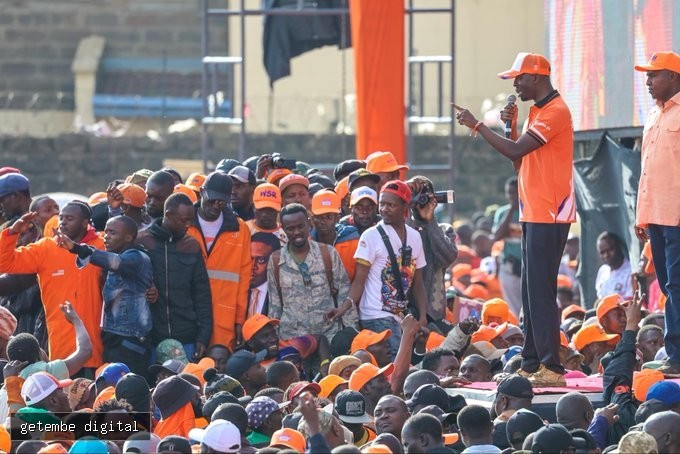
That was the striking question Raila Odinga Junior posed during the chaotic Jacaranda rally, offering a glimpse into the political burden he faces as he attempts to establish himself in the shadow of his father, the late Raila Odinga.
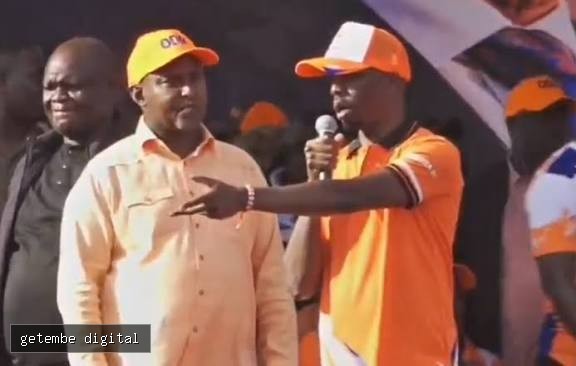
The remark is particularly significant because Junior's political journey is only beginning. He has expressed interest in contesting the Kibra parliamentary seat, yet the challenges of navigating ODM's fractured political environment are already becoming apparent.
The Jacaranda rally was supposed to be a demonstration of the party's continued strength and loyalty to Baba's legacy. Instead, it was disrupted by goons who stormed the dais, seized the microphone and sent leaders and supporters scrambling for safety. For a movement that spent decades mobilising around Raila's political charisma, the scenes raised uncomfortable questions about what has changed since his departure.
Raila was known for drawing large crowds and sustaining political movements through years of opposition politics. His rallies became major political events, driven by a personal connection with supporters and an ability to turn public discontent into political mobilisation. The disorder at Jacaranda therefore invited comparisons with the political culture he left behind.
Questions about the authenticity of political mobilisation have also entered the debate, with allegations of paid attendance circulating in political discussions. Such claims require evidence, but their emergence reflects a wider concern about whether ODM can still generate the kind of organic loyalty associated with its founding leader.
For Junior, the challenge is more complicated than winning an election. He is entering a political environment where his surname carries enormous historical weight, but where the authority once associated with it is no longer concentrated in one person.
His position within the family adds another layer to the story. Junior's traditional installation as head of the immediate Odinga household gives him an important cultural role, but it does not automatically make him Raila's political successor. Political influence must still be earned through organisation, public engagement and the ability to command support.
Meanwhile, Winnie Odinga has increasingly asserted her place in the political conversation surrounding her father's legacy. Her symbolic recognition by a section of Luo elders as Raila's political heir placed her at the centre of the succession debate. Her political positions, particularly her criticism of ODM's direction, have also distinguished her from Junior.
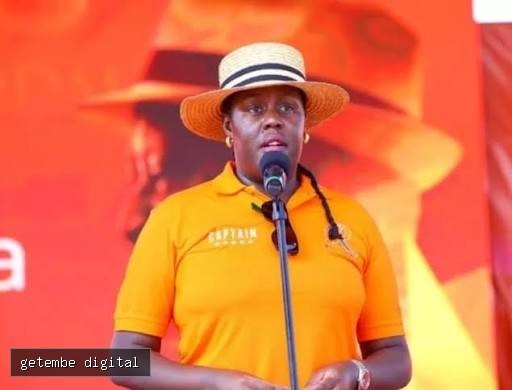
The contrast is becoming more pronounced. Junior has expressed support for President William Ruto's re-election while maintaining his place in ODM. Winnie and Ruth Odinga have taken different positions on the party's political direction. These differences raise a difficult question: can the Odinga family preserve its collective political influence when its members appear to be pursuing different political calculations?
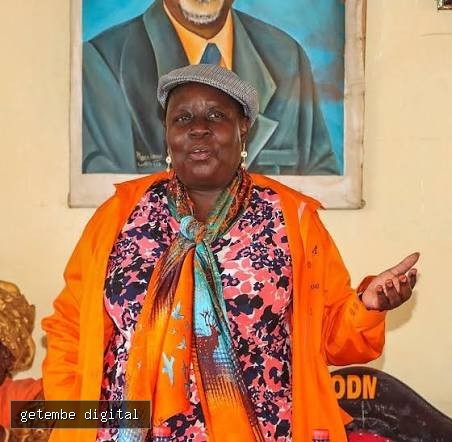
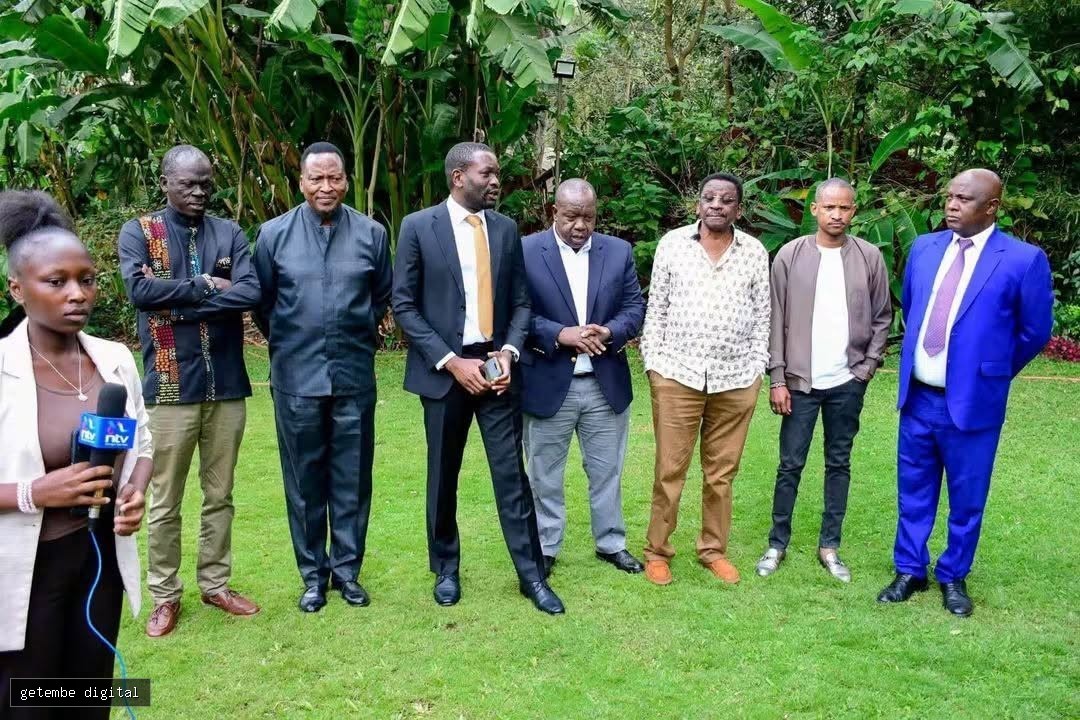
The contest is not limited to the immediate family. Oburu Oginga occupies the formal position of ODM party leader, while figures such as Edwin Sifuna, James Orengo and Babu Owino have their own political constituencies and ambitions. They cannot simply be expected to surrender their political influence to members of the Odinga family.
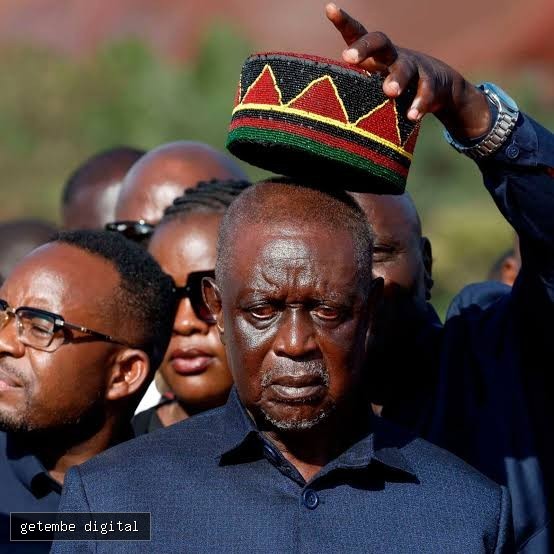
This is what makes Junior's Jacaranda remark particularly revealing. His challenge is not merely to inherit a famous surname. It is to find his place in a party where the legacy of his father remains powerful, but where authority is increasingly contested.
Raila's political influence was built over decades. It was sustained by sacrifice, alliances, political strategy and an ability to bring together different interests under one movement. Neither a family title nor an inherited name can automatically reproduce that influence.
Junior may be seeking to build his own political brand through Kibra, but the events at Jacaranda demonstrate the difficult political terrain he is entering. The larger question is whether the Odinga family can manage its competing centres of influence without turning the preservation of Baba's legacy into a struggle for personal political ownership.
Ultimately, Junior's question may have captured more than the difficulty of his own political journey. It reflects the enormous challenge facing an entire family and a political movement attempting to find their footing after the departure of the man who held them together.
ADVERTISEMENT
Watch Getembe TV Live
Broadcast Getembe TV Live Stream
Listen Getembe FM Live
Tune in to Getembe FM Live Broadcast
How do you feel about this article?
Let us know by choosing a reaction below.

Written by FRANKLINE NYANDORO
Reporter and staff writer at Getembe News.
Comments 0
Please log in to participate in the comments section.
No comments yet. Be the first to share your thoughts!
ADVERTISEMENT
Related Stories
Have a news tip?
Do you have an investigation, local story or news event you think we should cover? Contact our newsroom directly.
Submit Tip
Mobile App
Download Getembe Digital App Today
Download Getembe Digital App today for live news updates, breaking notifications, and seamless live streaming.