
WILL NYAMIRA UNIVERSITY BE READY FOR THE CLASS OF 2026?
Nyamira may finally get its own public university in 2027. But with timelines shifting, is it ready for the Class of 2026?
Watch Getembe TV Live
Broadcast Getembe TV Live Stream
Listen Getembe FM Live
Tune in to Getembe FM Live Broadcast
For more than a million Kenyan students, Friday, November 20, marks the end of months of examinations, anxiety and anticipation as the 2026 Kenya Certificate of Secondary Education (KCSE) papers come to a close.
But for candidates from Nyamira County, the next chapter could carry a special significance. Beyond waiting for their results and university placement, they could become the first generation to study at a public university in their home county.
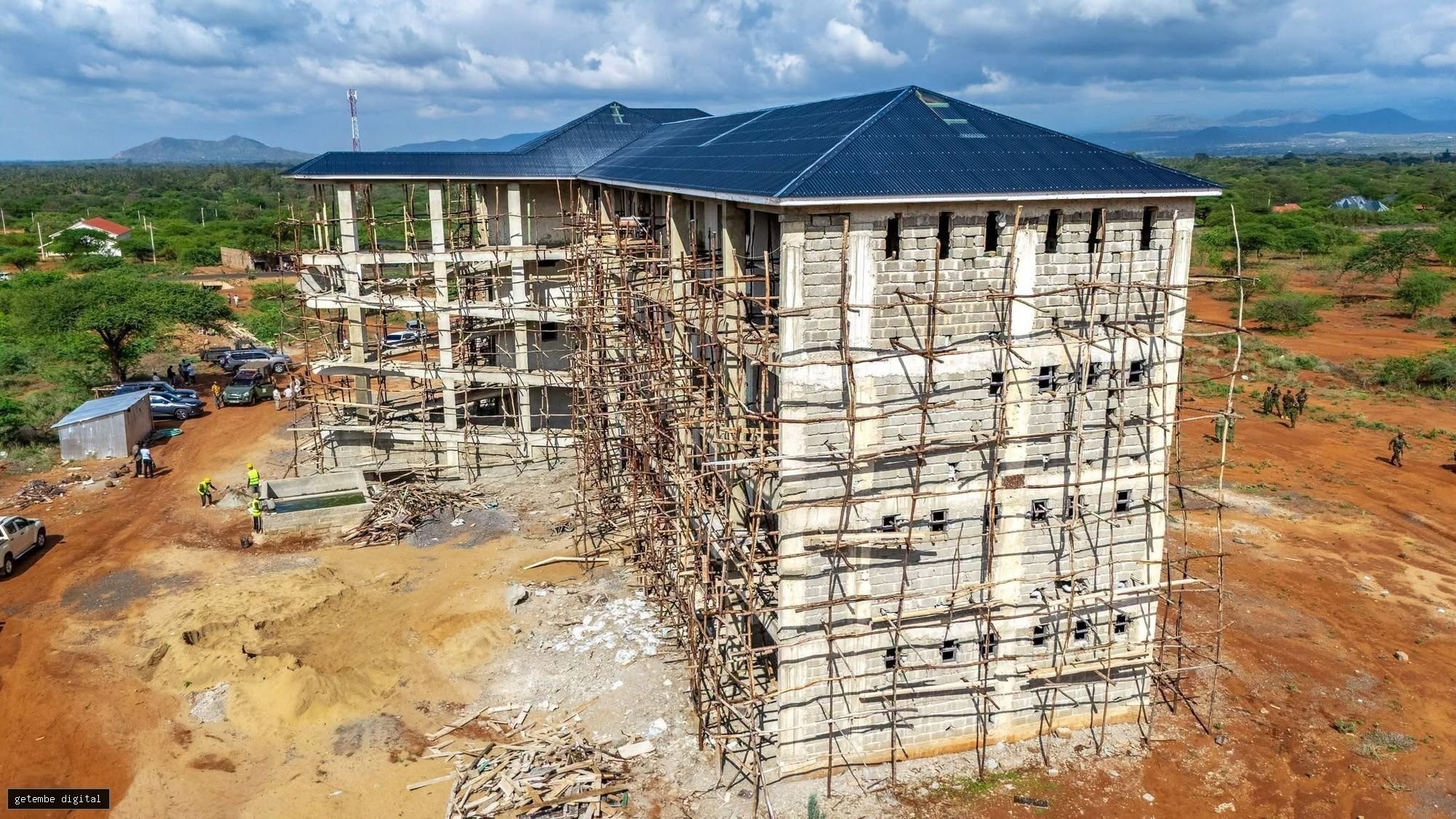
At Kiabonyoru Grounds in North Mugirango, construction of the proposed Nyamira University College is progressing, raising hopes that a long-standing demand for a public university in the county could finally become reality.
President William Ruto has promised that the institution will begin admitting students in 2027, placing the current KCSE candidates at the centre of what could become a historic milestone for the region.
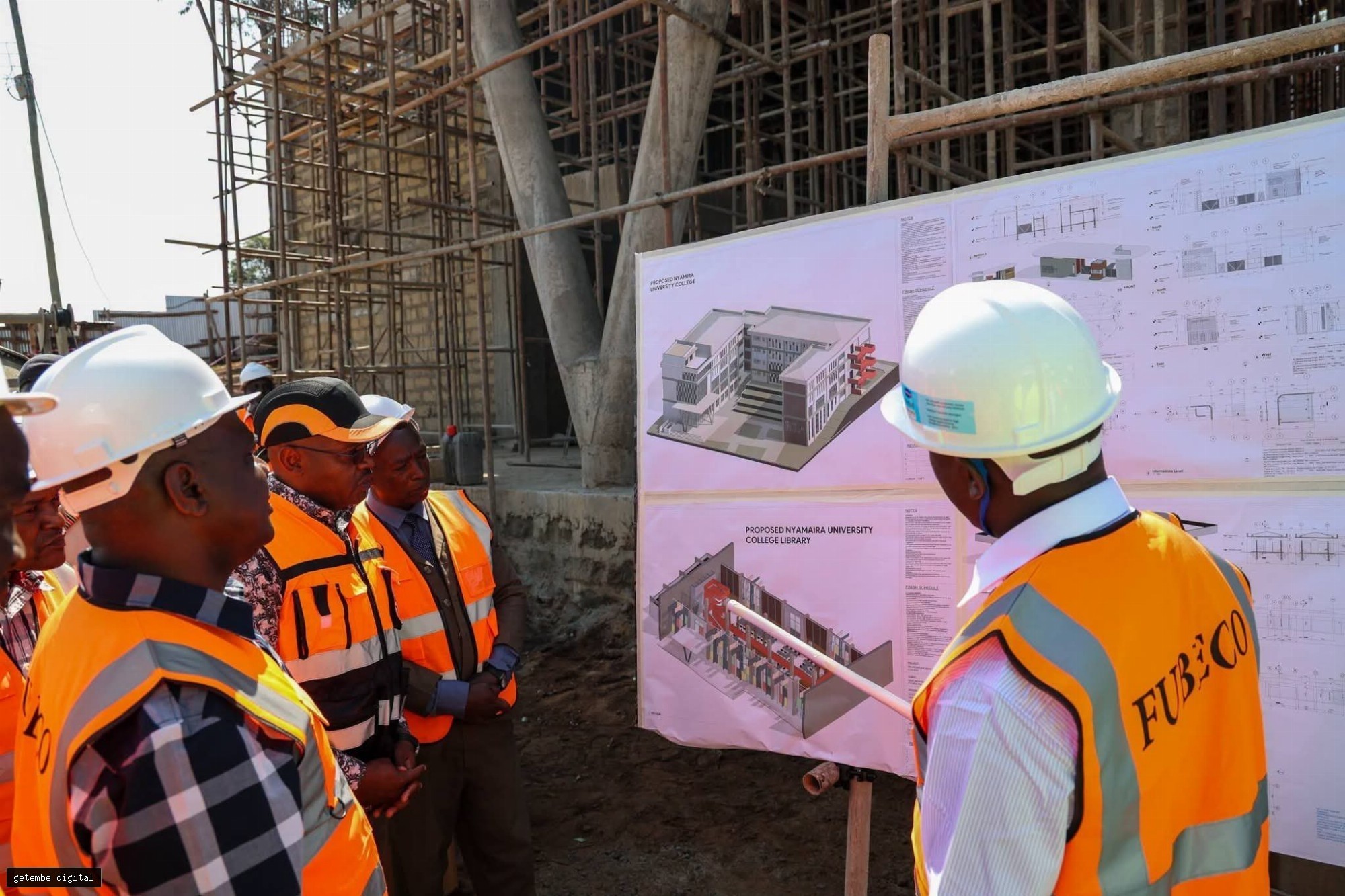
However, with the August 10, 2027 General Election approaching, the university project has also become part of a wider political conversation about development promises, government delivery and the President's efforts to consolidate support in the Gusii region.
The question now is not simply whether Nyamira will get a university, but whether the institution will be academically ready to receive students when the next placement cycle arrives.
During his November 8 visit to Nyamira County, Ruto gave residents an assurance that the university would be ready to receive its first students during the 2027 admission cycle.
"Next year, when university admissions will be taking place, for the first time we shall be having students join this university in Nyamira," the President said.
He also announced an additional Sh500 million towards completing and equipping the institution, alongside Sh220 million for student accommodation.
The announcement was significant for a county whose residents have for years depended on neighbouring counties and other parts of the country for access to public university education.
For parents preparing to send their children to university, having a public institution within Nyamira could reduce accommodation, transport and other costs associated with pursuing higher education away from home.
The university is also expected to operate under the mentorship of Kisii University for its initial three years as it develops its own governance and institutional structures.
In September, Kisii University Vice-Chancellor Professor Nathan Ogechi said construction was progressing, with structural works expected to be completed by December 2026 and final finishing targeted for February 2027.
Kisii University has also confirmed that its Senate approved the rollover of key academic curricula to support teaching at the proposed institution.
These developments suggest that the project is moving beyond political announcements towards the administrative and academic preparations necessary to establish a functioning university.
Despite the optimism, the university's admission timeline has not been entirely straightforward.
Earlier projections had pointed towards an earlier opening, with officials subsequently revising expectations as construction and institutional preparations progressed.
In September, Kisii University indicated that the institution could welcome its first students early in 2027, subject to the completion of construction and the necessary legal and administrative processes.
However, Ruto's November announcement referred more broadly to the 2027 university admission cycle, while government-linked development communication has pointed to September 2027 as the expected first intake.
The distinction matters.
The 2026 KCSE candidates are scheduled to complete their examinations on November 20. Their results, followed by the national university placement process, will determine when they can proceed to higher education.
An early-2027 opening and a September 2027 intake could therefore involve different admission arrangements and potentially different groups of students.
If the university opens before the current candidates complete the results and placement process, the question of whether earlier KCSE cohorts will be considered becomes important.
If September becomes the actual reporting period, the Class of 2026 could have a clearer opportunity to join through the regular KUCCPS placement process.
For now, the precise admission arrangements, reporting dates and approved student capacity require clarification from the relevant education authorities.
The timing of the project has inevitably attracted political attention.
Ruto's November tour of the Gusii region brought several development announcements, including the proposed Sh1.7 billion Nyamira Level Five Hospital, road construction commitments and investments in markets and student accommodation.
The university featured prominently in the President's development message, with the additional funding announcement reinforcing his administration's claim that it is addressing long-standing regional demands.
But the political significance goes beyond the construction of lecture halls.
Nyamira and the wider Gusii region form an important electoral constituency, and the President's development engagements come as political formations begin positioning themselves ahead of the 2027 election.
For the administration, delivering a university would provide a tangible development achievement to present to voters.
For critics, however, the shifting timelines and the prominence of the announcement during an election-year mobilisation exercise raise questions about whether political communication is running ahead of the actual delivery schedule.
The concerns are not necessarily about whether Nyamira deserves a university. Few would dispute the importance of expanding access to higher education.
Rather, they concern the difference between announcing a project, completing its infrastructure and ensuring that it is fully equipped and authorised to admit students.
A university is considerably more than classrooms, administration blocks and hostels.
Before students arrive, the institution must have the necessary academic approvals, qualified lecturers, laboratories, libraries, learning resources, accommodation and other essential facilities.
The Commission for University Education requires academic programmes to have the necessary approvals and adequate academic resources before they are offered.
The arrangement with Kisii University provides an important foundation, particularly through the transfer of approved curricula and academic mentorship.
However, the public will also need clarity on the programmes that will be available, the number of students to be admitted and the facilities that will be operational during the first academic year.
The Sh500 million completion and equipping pledge, together with the additional Sh220 million for hostels, will therefore need to translate into visible and verifiable progress.
The government has also linked the university project to broader promises on higher education financing.
During his Nyamira visit, Ruto announced plans to introduce changes to the university funding model from January 2027, promising that financial difficulties would not prevent students from pursuing higher education.
For families awaiting KCSE results, however, the ultimate test will be whether these commitments translate into affordable and accessible university education.
For the Class of 2026, the stakes are considerably higher than the political exchanges surrounding the project.
They are completing their secondary education at a time when Nyamira could finally secure an institution that previous generations had to travel outside the county to access.
If the university opens with the necessary facilities, qualified academic staff and approved programmes, the current candidates could become part of a historic chapter in the county's education sector.
But if the admission timelines continue shifting, the government will face questions about the difference between its public assurances and the institution's actual readiness.
The August 2027 election adds another dimension to the story. Depending on the eventual opening date, residents could be asked to assess the university's progress at the ballot box before the first students have even settled into their lecture halls.
That is the political dilemma surrounding the project.
Nyamira University College is a long-overdue opportunity for the county, but its success should ultimately be measured by the quality of education it provides, not the number of political rallies at which its name is mentioned.
For the more than one million candidates completing their KCSE examinations this week, the hope is simple: that when they are ready to take the next step in their education, the university promised to them will be ready too.
ADVERTISEMENT
Watch Getembe TV Live
Broadcast Getembe TV Live Stream
Listen Getembe FM Live
Tune in to Getembe FM Live Broadcast
How do you feel about this article?
Let us know by choosing a reaction below.

Written by FRANKLINE NYANDORO
Reporter and staff writer at Getembe News.
Comments 0
Please log in to participate in the comments section.
No comments yet. Be the first to share your thoughts!
ADVERTISEMENT
Related Stories

Have a news tip?
Do you have an investigation, local story or news event you think we should cover? Contact our newsroom directly.
Submit Tip
Mobile App
Download Getembe Digital App Today
Download Getembe Digital App today for live news updates, breaking notifications, and seamless live streaming.