FOUNDATION STONES DON'T TREAT PATIENTS: WHAT GUSII VOTERS SHOULD DEMAND BEFORE 2027
Kisii and Nyamira leaders keep announcing projects. Residents should ask which are funded, contracted and finished, not just launched.
Watch Getembe TV Live
Broadcast Getembe TV Live Stream
Listen Getembe FM Live
Tune in to Getembe FM Live Broadcast
From roads and hospitals to universities and stadiums, political leaders in Kisii and Nyamira continue making development promises. But as 2027 approaches, residents must ask whether these announcements are translating into completed projects and better public services.
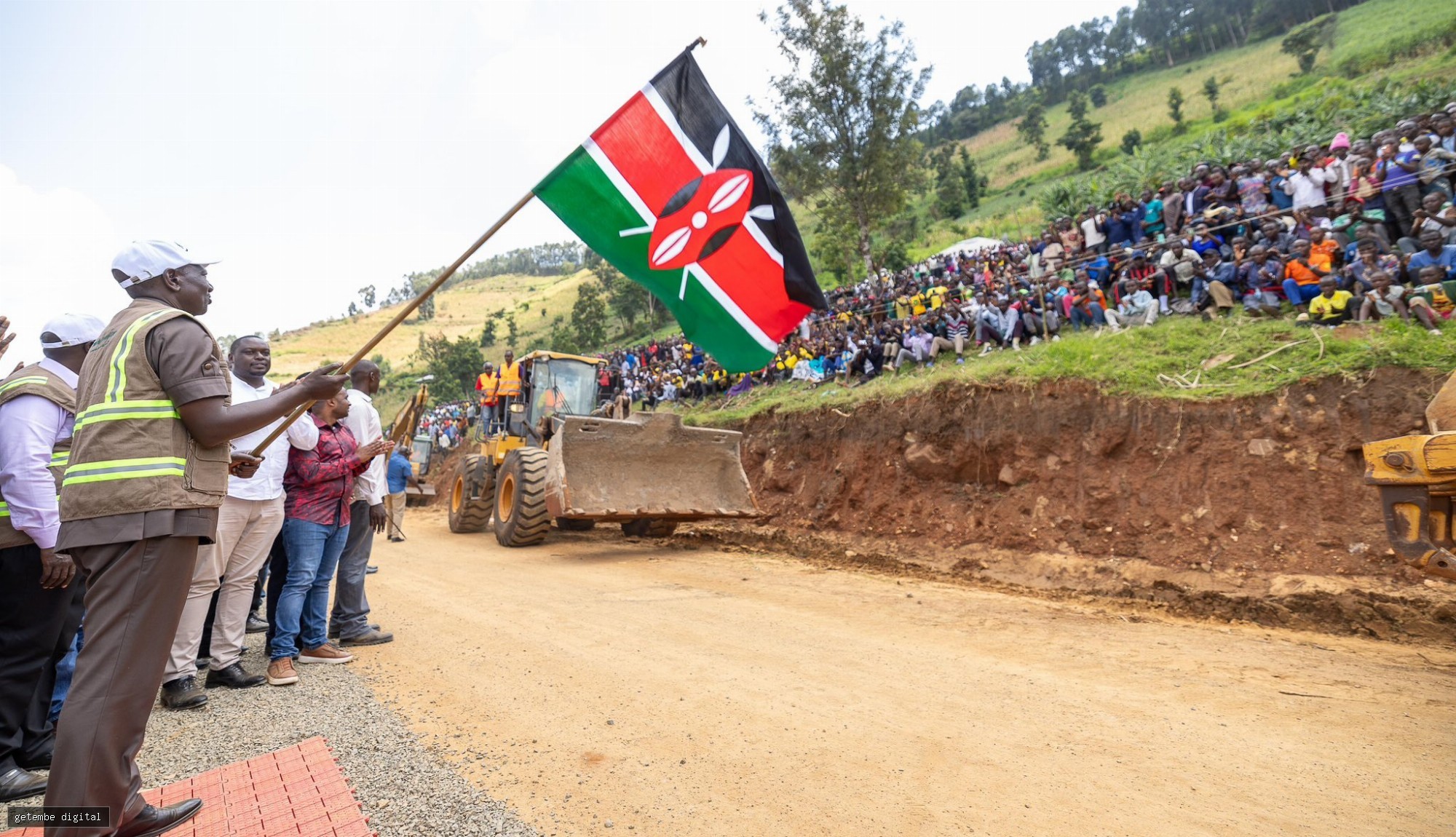
There is something increasingly predictable about Kenyan politics. A politician arrives in a community, announces a major development project, makes promises worth billions of shillings, lays a foundation stone, takes photographs and leaves behind an excited crowd.
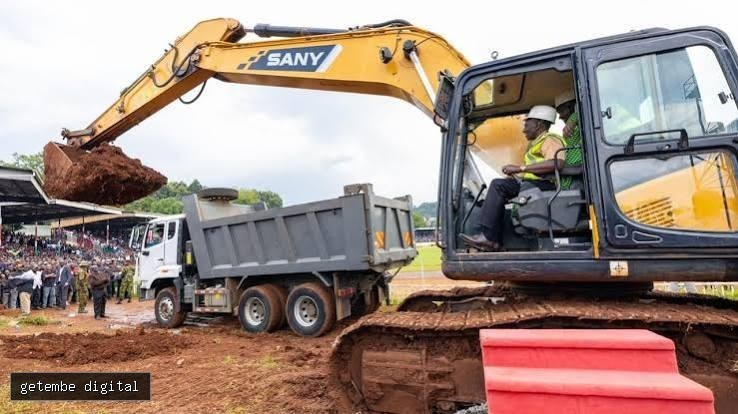
Months or even years later, residents are still asking when the project will be completed.
Across Kisii and Nyamira counties, development announcements have become an important feature of political mobilisation, with national and county leaders competing to demonstrate their commitment to the region. Roads, hospitals, universities, stadiums and other infrastructure projects frequently feature in political speeches, particularly as the country approaches another election cycle.
But there is a fundamental problem with this style of politics: announcing a project is not the same as delivering it.
As the 2027 General Election approaches, residents of the Gusii region must begin looking beyond the impressive figures and elaborate project launches to demand evidence of actual implementation.
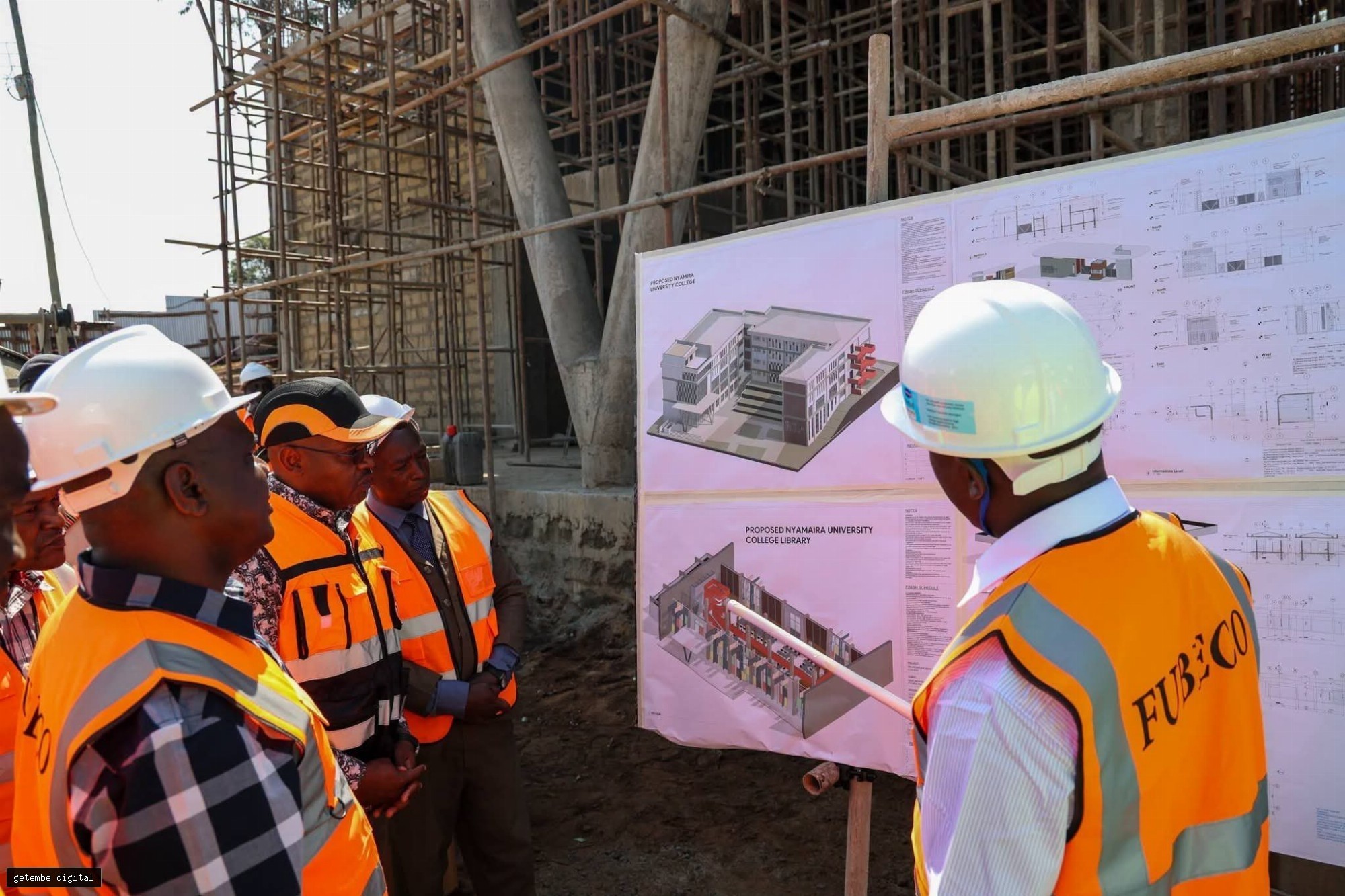
President William Ruto's development engagements in the region have generated considerable attention, with promises and announcements involving roads, education infrastructure, healthcare and other investments.
For instance, the proposed Nyamira University College represents an important opportunity to expand higher education opportunities and stimulate economic activity in the county. However, its real value will ultimately be determined by whether it becomes a fully operational institution capable of admitting students, offering quality programmes and creating employment.
A university cannot be measured by the political excitement surrounding its construction. It must be measured by the opportunities it creates.
The same scrutiny should apply to the numerous road projects announced across Kisii and Nyamira. While improved road connectivity is essential for agricultural communities, traders and businesses, residents need to know which roads have been contracted, which are under construction, how much has been spent and when contractors are expected to complete the work.
A road announcement does not reduce transport costs. A completed and properly maintained road does.
The responsibility, however, does not rest with the national government alone. County administrations in Kisii and Nyamira must also account for their own development records.
In Kisii, Governor Simba Arati's administration has repeatedly presented infrastructure, healthcare and other development initiatives as evidence of its commitment to transforming the county. Yet residents must independently assess whether these initiatives have improved access to services and addressed persistent challenges facing local communities.
In Nyamira, Governor Amos Nyaribo faces similar scrutiny. His administration must demonstrate what it has achieved in healthcare, roads, water provision, early childhood education and other devolved functions.
The political competition surrounding the 2027 gubernatorial elections should not distract residents from examining the performance of those already entrusted with public resources.
Indeed, the growing political ambitions of national figures from the region make this accountability conversation even more important. With Fred Matiang'i positioning himself for the presidency, Gusii politics risks becoming dominated by national political calculations at the expense of the everyday concerns of residents.
But what good is producing influential politicians if ordinary households continue struggling with inadequate public services?
There is also a worrying tendency to turn development projects into political bargaining instruments. Leaders announce projects in areas where they want to strengthen their support, while political supporters celebrate the promises as evidence that their communities are finally being remembered.
This creates an unhealthy relationship between citizens and elected leaders, where access to basic services begins to look like a political favour rather than a public responsibility.
Development should never depend on how loudly a community supports a particular politician.
More importantly, residents must learn to distinguish between projects that have received political announcements, those that have secured budgetary allocations, those that have been contracted and those that have actually been completed.
These are four different stages, and confusing them allows politicians to present intentions as achievements.
The Controller of Budget reports, county budget implementation reports, procurement records and Auditor-General reports provide opportunities for citizens to establish whether public resources are being used as promised.
Political leaders should therefore be prepared to answer specific questions: How much money has been allocated? How much has actually been spent? Who was awarded the contract? What percentage of the work has been completed? When will the facility become operational?
These questions should not be interpreted as hostility towards development. They are the foundation of responsible public spending.
Kisii and Nyamira residents have every reason to welcome new investments, but they must also demand that leaders explain the fate of projects announced in previous years.
The 2027 election should not become another competition over who can announce the largest development budget or promise the most impressive infrastructure.
It should become an opportunity for voters to conduct a serious performance assessment of both national and county leadership.
After all, politicians do not deserve electoral credit for projects that exist only in speeches, photographs and campaign documents.
A government that genuinely transforms communities should have little difficulty presenting evidence of completed projects, functioning facilities and measurable improvements in people's lives.
The people of Gusii must therefore change the terms of their political conversation. Instead of asking what politicians intend to build, they should ask what has already been built, what is operational and what remains unfinished.
Because a foundation stone cannot treat a patient, a university announcement cannot educate a student, and a road promise cannot transport a farmer's produce to market. Kisii and Nyamira do not need more impressive project launches; they need completed projects and leaders who can account for every shilling spent.
ADVERTISEMENT
Watch Getembe TV Live
Broadcast Getembe TV Live Stream
Listen Getembe FM Live
Tune in to Getembe FM Live Broadcast
How do you feel about this article?
Let us know by choosing a reaction below.

Written by FRANKLINE NYANDORO
Reporter and staff writer at Getembe News.
Comments 0
Please log in to participate in the comments section.
No comments yet. Be the first to share your thoughts!
ADVERTISEMENT
Related Stories

Have a news tip?
Do you have an investigation, local story or news event you think we should cover? Contact our newsroom directly.
Submit Tip
Mobile App
Download Getembe Digital App Today
Download Getembe Digital App today for live news updates, breaking notifications, and seamless live streaming.