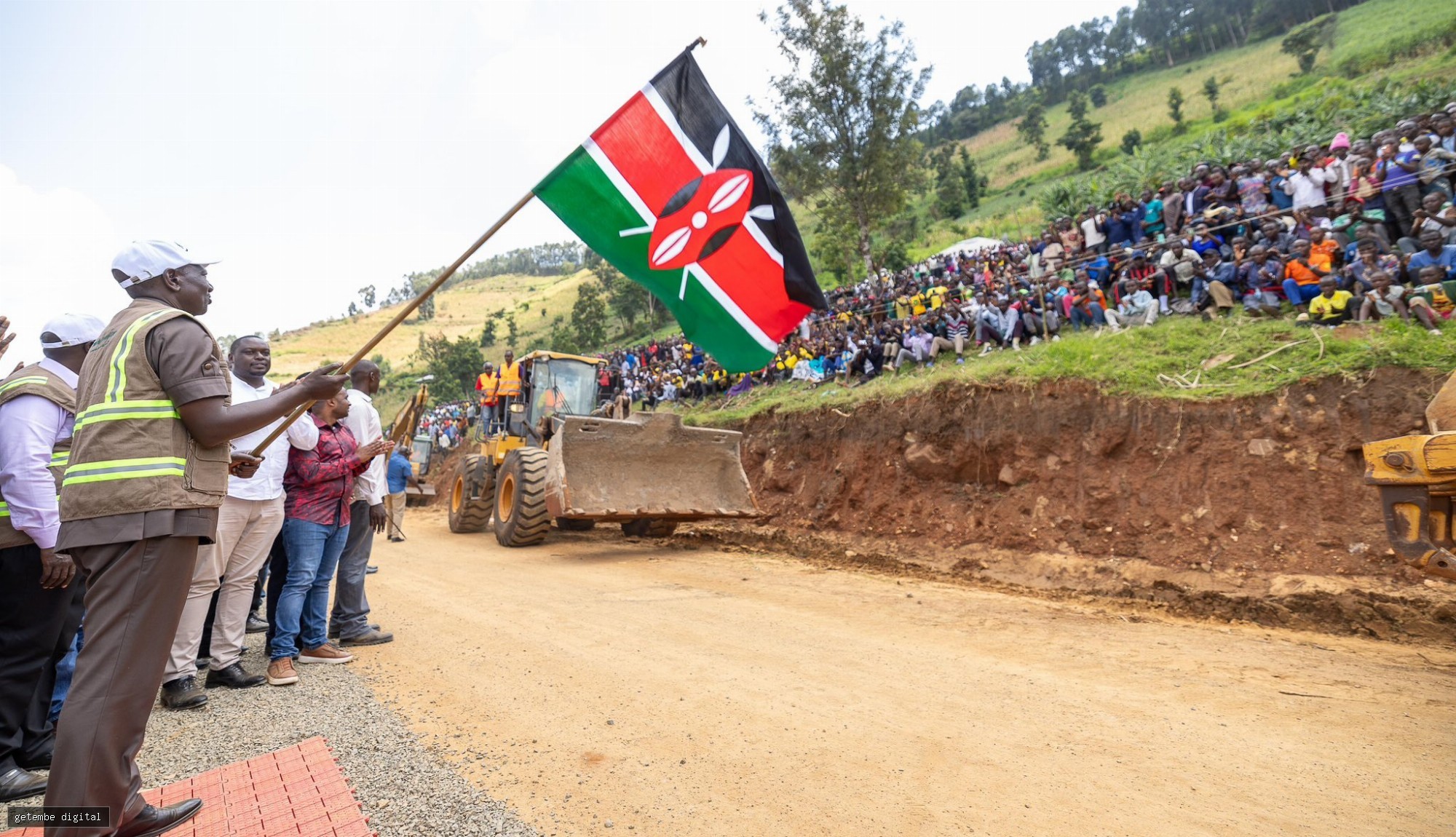
IEBC WARNS POLITICIANS OVER BRANDED GIFTS AND EARLY CAMPAIGNS AHEAD OF 2027 ELECTION
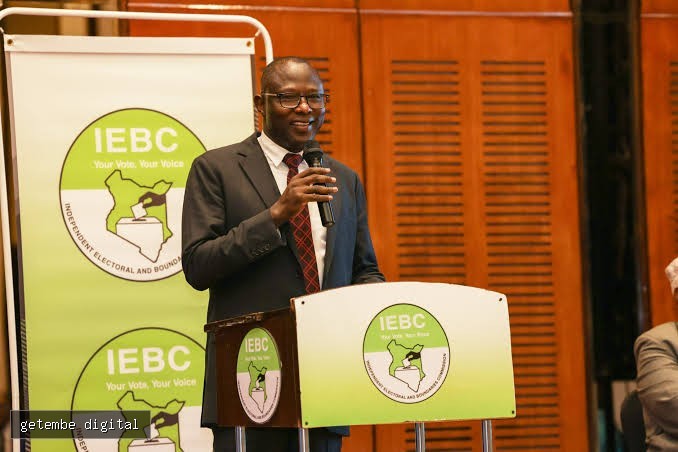
IEBC Chairperson Erastus Ethekon warns politicians over premature campaigns, branded donations and political mobilisation ahead of the May 29, 2027 official campaign period.
Watch Getembe TV Live
Broadcast Getembe TV Live Stream
Listen Getembe FM Live
Tune in to Getembe FM Live Broadcast
The Independent Electoral and Boundaries Commission (IEBC) has cautioned politicians against turning charitable donations, branded merchandise and public mobilisation activities into premature campaigns ahead of the August 2027 General Election.
IEBC Chairperson Erastus Edung Ethekon has maintained that the official campaign period will begin on May 29, 2027, warning political actors against engaging in activities that amount to electioneering before the prescribed date.
The warning comes as politicians across the country increasingly distribute gifts, household items, school supplies and other merchandise bearing their names and political identities as they position themselves for the next electoral contest.
In recent months, political leaders have been associated with donations ranging from gas cylinders and mattresses to school uniforms and other household essentials, with some of the giveaways attracting attention because of their campaign-style branding.
The activities have raised questions about the distinction between genuine charitable contributions and political efforts designed to cultivate voter loyalty ahead of the elections.
The growing trend of politicians attaching their names and political identities to donated items has intensified debate over whether such activities are development initiatives or disguised campaign strategies.
Some leaders have defended the donations, arguing that they use personal resources to support communities and that branding their contributions does not automatically make them electoral campaigns.
However, the IEBC has maintained that political activities must comply with the electoral framework and that the official campaign period cannot be brought forward through unofficial mobilisation exercises.
The commission has identified activities such as campaign posters, billboards, political caravans and other forms of electioneering as falling outside the permitted campaign period.
Despite the warning, questions remain about the commission's ability to punish politicians engaging in premature campaigns.
Reports emerging on November 25 indicate that the IEBC has acknowledged gaps in the legal framework governing political activities outside the official campaign period, limiting its ability to impose punitive sanctions against early campaigners.
This creates an important distinction between the commission's warnings and its actual enforcement powers.
The Electoral Code of Conduct provides for sanctions against violations, including warnings, fines and restrictions on campaign activities. However, the specific legal framework governing premature campaigning outside the prescribed period remains a subject of concern.
The warning comes as political competition continues to intensify across Kenya, with potential presidential, gubernatorial, parliamentary and county assembly candidates increasingly engaging communities and building political networks.
President William Ruto and opposition leaders have continued their countrywide engagements, while politicians eyeing different elective positions have stepped up public appearances, donations and grassroots mobilisation.
With the official campaign period still months away, the growing political activity presents a test for the electoral commission as it seeks to ensure that the 2027 elections are conducted within an orderly and legally regulated environment.
The August 10, 2027 General Election will determine whether the current political alignments translate into electoral support, but the immediate question remains whether political actors will respect the prescribed campaign calendar and whether the IEBC has sufficient legal powers to enforce it.
ADVERTISEMENT
Watch Getembe TV Live
Broadcast Getembe TV Live Stream
Listen Getembe FM Live
Tune in to Getembe FM Live Broadcast
How do you feel about this article?
Let us know by choosing a reaction below.

Written by FRANKLINE NYANDORO
Reporter and staff writer at Getembe News.
Comments 0
Please log in to participate in the comments section.
No comments yet. Be the first to share your thoughts!
ADVERTISEMENT
Related Stories
Have a news tip?
Do you have an investigation, local story or news event you think we should cover? Contact our newsroom directly.
Submit Tip
Mobile App
Download Getembe Digital App Today
Download Getembe Digital App today for live news updates, breaking notifications, and seamless live streaming.